.jpg?table=collection&id=365e0073-de69-42e5-8e46-6dbf83b150a6&t=365e0073-de69-42e5-8e46-6dbf83b150a6&width=1080&cache=v2)
type
Post
status
Published
date
Feb 6, 2024
slug
60minutes
summary
《60分钟》节目采访美联储主席-鲍威尔的文稿,主要谈到通胀下降,经济问题,银行的监管问题以及美国的领导作用和国际期望
tags
宏观
美联储
category
财务投资
icon
password
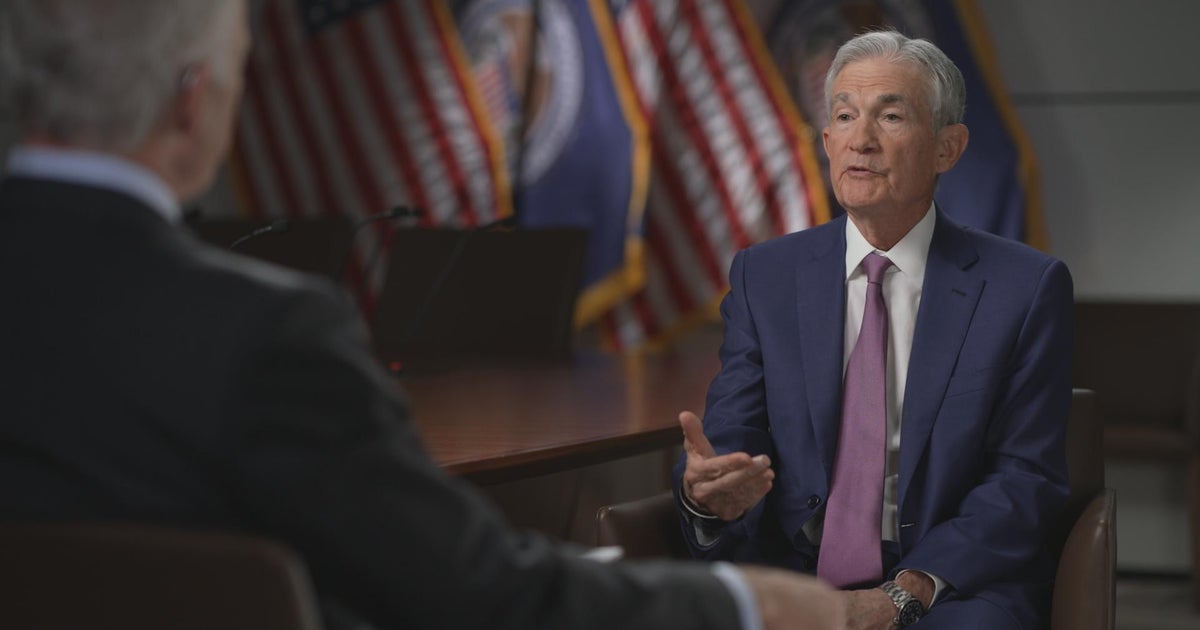
Editor's Note: On Feb. 1, 2024, 60 Minutes correspondent Scott Pelley interviewed Federal Reserve Chair Jerome Powell in the Board Room at the Federal Reserve headquarters in Washington, D.C. Below is the transcript of that interview. Scott Pelley's interview with Mr. Powell aired Sunday, Feb. 4, 2024, on 60 Minutes.
编者按:2024 年 2 月 1 日,《60 分钟》记者斯科特·佩利 (Scott Pelley) 在华盛顿特区美联储总部的董事会会议室采访了美联储主席杰罗姆·鲍威尔 (Jerome Powell)。斯科特·佩利(Scott Pelley)对鲍威尔先生的采访于2024年2月4日星期日在60分钟播出。
SCOTT PELLEY, CBS NEWS/60 MINUTES: I'll start with this. Is inflation dead?
斯科特·佩利(SCOTT PELLEY),CBS NEWS/60分钟:我将从这个开始。通货膨胀死了吗?
FEDERAL RESERVE CHAIR JEROME POWELL: I wouldn't go quite so far as that. What I can say is that inflation has come down really over the past year, and fairly sharply over the past six months. We're making good progress. The job is not done and we're very much committed to making sure that we fully restore price stability for the benefit of the public.
美联储主席杰罗姆·鲍威尔:我不会走得太远。我能说的是,通货膨胀在过去一年中确实有所下降,并且在过去六个月中相当急剧。我们正在取得良好进展。这项工作还没有完成,我们非常致力于确保我们完全恢复价格稳定,以造福公众。
PELLEY: But inflation has been falling steadily for 11 months.
佩利:但通胀已经稳步下降了11个月。
POWELL: Right. 鲍威尔:是的。
PELLEY: You've avoided a recession. Why not cut the rates now?
佩利:你避免了经济衰退。为什么不现在降息呢?
POWELL: Well, we have a strong economy. Growth is going on at a solid pace. The labor market is strong: 3.7% unemployment. And inflation is coming down. With the economy strong like that, we feel like we can approach the question of when to begin to reduce interest rates carefully.
鲍威尔:嗯,我们有一个强大的经济。增长正在稳步进行。劳动力市场强劲:失业率为3.7%。通货膨胀正在下降。在经济如此强劲的情况下,我们觉得我们可以谨慎地处理何时开始降息的问题。
And, you know, we want to see more evidence that inflation is moving sustainably down to 2%. We have some confidence in that. Our confidence is rising. We just want some more confidence before we take that very important step of beginning to cut interest rates.
而且,你知道,我们希望看到更多证据表明通胀正在可持续地降至2%。我们对此有一定的信心。我们的信心正在上升。我们只是希望在我们采取开始降息这一非常重要的步骤之前多一些信心。
PELLEY: What is it you're looking at?
佩利:你在看什么?
POWELL: Basically, we want to see more good data. It's not that the data aren't good enough. It's that there's really six months of data. We just want to see more good data along those lines. It doesn't need to be better than what we've seen, or even as good. It just needs to be good. And so, we do expect to see that. And that's why almost every single person on the, on the Federal Open Market Committee believes that it will be appropriate for us to reduce interest rates this year.
鲍威尔:基本上,我们希望看到更多好的数据。这并不是说数据不够好。而是真的有六个月的数据。我们只是希望看到更多符合这些思路的好数据。它不需要比我们所看到的更好,甚至不需要那么好。它只需要很好。因此,我们确实希望看到这一点。这就是为什么联邦公开市场委员会(FOMC)的几乎每个人都认为,我们今年降息是合适的。
PELLEY: When? 佩利:什么时候?
POWELL: Well, that will depend on the data. You know, the best we can do is to weigh the risk of moving too soon against the risk of moving too late and make that judgment in real time. So that time is coming, I would say, based on what we expect. The kinds of things that would make us want to move sooner would be if we saw weakness in the labor market or if we saw inflation really persuasively coming down. The kind of things that would make us want to move later would be if inflation were to be more persistent, for example.
鲍威尔:嗯,这取决于数据。你知道,我们能做的最好的事情就是权衡过早移动的风险和移动过晚的风险,并实时做出判断。因此,我想说,根据我们的期望,这个时刻即将到来。如果我们看到劳动力市场疲软,或者我们看到通胀真的有说服力地下降,那么让我们想要尽快采取行动的事情。例如,如果通货膨胀更加持久,那么让我们以后想要采取行动的事情就会发生。
PELLEY: What's the danger of moving too soon?
佩利:过早搬家有什么危险?
POWELL: Danger of moving too soon is that the job's not quite done, and that the really good readings we've had for the last six months somehow turn out not to be a true indicator of where inflation's heading. We don't think that's the case. But the prudent thing to do is to, is to just give it some time and see that the data continue to confirm that inflation is moving down to 2% in a sustainable way.
鲍威尔:过早采取行动的危险在于,这项工作还没有完全完成,而且我们过去六个月的真正良好的读数在某种程度上被证明并不是通胀走向的真正指标。我们认为情况并非如此。但谨慎的做法是,给它一些时间,看看数据继续证实通胀正在以可持续的方式降至2%。
PELLEY: Moving too soon would set off inflation again.
佩利:行动过早会再次引发通货膨胀。
POWELL: You could. Or you could just halt the progress. I think more likely if you move too soon, you'd see inflation settling out somewhere well above our 2% target. So, we think we can be careful in approaching this decision just because of the strength that we're seeing in the economy.
鲍威尔:你可以。或者你可以停止进展。我认为,如果你行动得太早,你更有可能看到通胀稳定在远高于我们2%目标的某个地方。因此,我们认为,我们可以谨慎地做出这一决定,因为我们在经济中看到的强劲势头。
PELLEY: And what is the danger of moving too late?
佩利:行动太晚有什么危险?
POWELL: If you move too late, then policy would be too tight. And that could easily weigh on economic activity and on the labor market.
鲍威尔:如果你行动太晚,那么政策就会太紧。这很容易对经济活动和劳动力市场造成压力。
PELLEY: Making a recession.
佩利:制造经济衰退。
POWELL: Right. And we have to, we have to balance those two risks. There is no, you know, easy, simple, obvious path. We have to balance the risk of moving too soon, which, as you mentioned, or too late. And there are different risks. We think the economy's in a good place. We think inflation is coming down. We just want to gain a little more confidence that it's coming down in a sustainable way toward our 2% goal.
鲍威尔:是的。我们必须,我们必须平衡这两种风险。你知道,没有一条容易、简单、明显的道路。我们必须平衡行动过早的风险,正如你所提到的,或者为时已晚。并且存在不同的风险。我们认为经济状况良好。我们认为通胀正在下降。我们只是想获得更多的信心,相信它正在以可持续的方式朝着我们 2% 的目标下降。
PELLEY: You disappointed a lot of people on Wednesday.
佩利:周三你让很多人失望了。
POWELL: We're very focused on our jobs, you know? We're focused on the real economy and doing the right thing for the economy and for the American people over the medium and long term. And I can't overstate how important it is to restore price stability, by which I mean inflation is low and predictable and people don't have to think about it in their daily lives. In their daily economic lives, inflation is just not something that you talk about. That's where we were for 20 years. We want to get back to that, and I think we are on a path to that. We just want to kind of make sure of it.
鲍威尔:我们非常专注于我们的工作,你知道吗?我们专注于实体经济,在中长期内为经济和美国人民做正确的事情。恢复价格稳定的重要性怎么强调都不为过,我的意思是通货膨胀率很低且可预测,人们不必在日常生活中考虑它。在他们的日常经济生活中,通货膨胀不是你谈论的事情。这就是我们 20 年来一直待着的地方。我们想回到这一点上来,我认为我们正走在实现这一目标的道路上。我们只是想确定这一点。
PELLEY: Why is your target rate 2%?
佩利:为什么你的目标利率是2%?
POWELL: So over, really over the course of the last few decades, central banks around the world have adopted – advanced economy central banks have adopted a 2% target. Why isn't it zero, I guess, is the question. And the reason is 2% is if interest rates always include an estimate of future inflation.
鲍威尔:所以,在过去的几十年里,世界各地的央行都采用了——发达经济体的央行已经采用了2%的目标。我想,为什么它不是零,这是个问题。原因是 2% 是因为如果利率总是包括对未来通货膨胀的估计。
If that estimate is 2%, that means you'll have 2% more that you can cut in interest rates. The central bank will have more ammunition, more power to fight a downturn if rates are a little bit higher. In any case, that's become the global norm. And it's a pretty stable equilibrium and it seems to serve the public well.
如果这个估计是 2%,这意味着你将有 2% 的利率可以降息。如果利率稍微高一点,央行将有更多的弹药和更大的权力来对抗经济衰退。无论如何,这已经成为全球常态。这是一个非常稳定的平衡,似乎对公众有很好的服务。
PELLEY: Are you committed to getting all the way to 2.0 before you cut the rates?
佩利:在降息之前,你是否致力于一直到2.0?
POWELL: No, no. That's not what we say at all, no. We're committed to returning inflation to 2% over time. I've said that we wouldn't wait to get to 2% to cut rates. In fact, you know, we're actively considering now going forward cutting rates, and on a 12-month basis inflation, you know, is not at 2%. It's between 2-3%. But it's moving down in a way that, that it gives us some comfort.
鲍威尔:不,不。那根本不是我们说的,不。我们致力于随着时间的推移将通胀率恢复到2%。我已经说过,我们不会等到降息到2%的时候。事实上,你知道,我们现在正在积极考虑降息,在12个月的基础上,通胀率不是2%。在2-3%之间。但它正在以一种方式向下移动,它给了我们一些安慰。
PELLEY: So what is your best forecast for inflation right now?
佩利:那么,你目前对通胀的最佳预测是什么?
POWELL: I think the base case, the main expectation I would have, is that inflation will continue to move down in the first six months of this year, we expect. So, we look at inflation over a 12-month basis. That's our target. And the first five months of last year were fairly high readings.
鲍威尔:我认为基本情况,也是我的主要预期,是通胀将在今年上半年继续下降,我们预计。因此,我们以 12 个月的为基础来看待通货膨胀。这就是我们的目标。去年前五个月的读数相当高。
Those are going to fall out of the 12-month window and be replaced by lower readings. So, I do expect that you will see the 12-month inflation readings coming down over the course of this year. We've seen inflation pressures subsiding really for a couple of reasons.
这些将跌出 12 个月的窗口期,取而代之的是较低的读数。因此,我确实预计今年你会看到 12 个月的通胀数据下降。我们看到通胀压力确实有所减弱,原因有几个。
One is the reversal, the unwinding of these unusual pandemic-related distortions to both, to both supply and demand. And the other is our tightening of policy, which was absolutely essential in getting -- it's a part of the story for why inflation's coming down. Not the whole story, by far.
一个是逆转,这些与大流行相关的不寻常的扭曲对双方、对供需的扭曲。另一个是我们收紧政策,这对于实现 - 这是通胀下降的原因之一。到目前为止,还不是故事的全部。
PELLEY: Inflation is one thing. Prices are another. And I wonder if there's any reason to believe that people will see the prices of things decline?
佩利:通货膨胀是一回事。价格是另一回事。我想知道是否有任何理由相信人们会看到东西的价格下降?
POWELL: So, the prices of some things will decline. Others will go up. But we don't expect to see a decline in the overall price level. That doesn't tend to happen in economies, except in very negative circumstances. What you will see, though, is inflation coming down.
鲍威尔:所以,有些东西的价格会下降。其他人会上升。但我们预计整体价格水平不会下降。除非在非常不利的情况下,否则这种情况在经济体中不会发生。不过,你会看到的是通货膨胀率下降。
People are experiencing high prices. If you think about the basic necessities, things like, you know, bread and milk and eggs and meats of various kinds, if you look back, prices are substantially higher than they were before the pandemic. And so, we think that's a big reason why people are, have been relatively dissatisfied with what is otherwise a pretty good economy.
人们正在经历高昂的价格。如果你考虑基本必需品,比如面包、牛奶、鸡蛋和各种肉类,如果你回头看,价格比大流行前要高得多。因此,我们认为这是人们对其他方面相当不错的经济相对不满意的一个重要原因。
PELLEY: But those prices will not soften short of something like a recession?
佩利:但这些价格不会在经济衰退之前走软吗?
POWELL: Some of them will. In particular, things that are affected by commodity prices, like, for example, gasoline prices have come way down. Some food prices that incorporate the price of commodities, grains and things like that, those can come down.
鲍威尔:他们中的一些人会。特别是受大宗商品价格影响的事物,例如汽油价格已经大幅下降。一些包含商品、谷物和类似价格的食品价格可能会下降。
But the overall price level doesn't come down. It will fluctuate. And some goods will, goods and services will go up, others will go down. But overall, in aggregate, the price level doesn't tend to go down except in fairly extreme circumstances.
但整体价格水平并没有下降。它会波动。有些商品会上涨,有些商品和服务会下跌,有些商品会下跌。但总体而言,除非在相当极端的情况下,否则价格水平不会下降。
PELLEY: Many in the financial industry expect you to lower rates sitting around this table in your [next] meeting in March.
佩利:金融业的许多人预计,在3月份的(下一次)会议上,你会降低利率。
POWELL: So we're very focused on doing the right thing for the economy in the medium and the longer term. Of course we pay attention to markets and we understand what's going on in financial markets around the world, really. It's part of our job.
鲍威尔:因此,我们非常专注于在中长期内为经济做正确的事情。当然,我们关注市场,我们了解世界各地的金融市场正在发生的事情,真的。这是我们工作的一部分。
But I would say our focus is on the goals Congress has assigned us, which are maximum employment and price stability. And so, what the overall situation, as we see it now, is we've got strong economic growth. We've got healthy labor market with historically low unemployment, and we've got inflation moving down.
但我想说的是,我们的重点是国会为我们设定的目标,即最大就业和价格稳定。因此,正如我们现在所看到的那样,总体情况是,我们有强劲的经济增长。我们的劳动力市场健康,失业率处于历史低位,通胀率也在下降。
This is, this is a very positive collection of things. This is a good economy. There's every reason to think that it [will] continue to get better, provided that there aren't events around the world which disrupt that. And also, we're focused on using our tools to make sure that that's what happens.
这是一个非常积极的东西集合。这是一个很好的经济。我们完全有理由认为,只要世界上没有事件破坏这一点,它就会继续变得更好。而且,我们专注于使用我们的工具来确保这种情况发生。
Part of that is picking the time to begin to dial back the restrictive policy. And we want to approach that question carefully. It's a very important decision. And I said yesterday after our meeting, after our FOMC meeting, that we would approach that question carefully.
其中一部分是选择时间开始收回限制性政策。我们希望谨慎地处理这个问题。这是一个非常重要的决定。我昨天在会议结束后,在联邦公开市场委员会会议之后说过,我们将谨慎处理这个问题。
PELLEY: The next meeting around this table that will decide the direction of interest rates is in this coming March. Knowing what you know now, is a rate cut more likely or less likely at that time?
佩利:在座的下一次会议将决定利率的走向,时间是今年3月。知道你现在所知道的,当时降息的可能性更大还是更小?
POWELL: So, the broader situation is that the economy is strong, the labor market is strong, and inflation is coming down. And my colleagues and I are trying to pick the right point at which to begin to dial back our restrictive policy stance.
鲍威尔:所以,更广泛的情况是经济强劲,劳动力市场强劲,通胀正在下降。我和我的同事们正试图选择一个合适的时机,开始调整我们的限制性政策立场。
That time is coming. We've said that we want to be more confident that inflation is moving down to 2%. And I would say, and I did say yesterday, that I think it's not likely that this committee will reach that level of confidence in time for the March meeting, which is in seven weeks.
那个时刻即将到来。我们已经说过,我们希望对通胀率降至2%更有信心。我想说的是,我昨天确实说过,我认为本委员会不太可能在七周后的3月会议之前达到这种信心水平。
So, I would say that's not the most likely or base case. However, all but a couple of our participants do believe it will be appropriate to, for us to begin to dial back the restrictive stance by cutting rates this year. And so, it is certainly the base case that, that we will do that. We're just trying to pick the right time, given the overall context.
所以,我想说这不是最有可能或最基本的情况。然而,除了少数几位参与者外,其他所有参与者都认为,我们今年开始通过降息来收回限制性立场是合适的。因此,我们当然会这样做。我们只是想在整体背景下选择合适的时间。
PELLEY: This past December in your quarterly report, the Fed predicted rate cuts this year down to about 4.6%. Still likely?
佩利:在去年12月的季度报告中,美联储预测今年的降息幅度将降至4.6%左右。还有可能吗?
POWELL: Those forecasts were made in December. And those are individual forecasts made by participants. It's not a committee plan. We don't update those at every meeting. We'll update them at the March meeting. I will say, though, nothing has happened in the meantime that would lead me to think that people would dramatically change their forecasts.
鲍威尔:这些预测是在去年12月做出的。这些是参与者的个人预测。这不是委员会的计划。我们不会在每次会议上更新这些内容。我们将在 3 月份的会议上更新它们。不过,我要说的是,在此期间,没有发生任何事情,让我认为人们会大幅改变他们的预测。
PELLEY: So something around a 4.6% interest rate is likely?
佩利:所以利率可能在4.6%左右?
POWELL: I would say it this way. It's really going to depend on the data. The data will drive these decisions. And we can't do any better than to look at the data and ask ourselves, "How is this affecting the outlook and the balance of risks?" That's what we'll be doing. So, what we actually do will depend on how the economy evolves.
鲍威尔:我会这样说。这真的取决于数据。数据将推动这些决策。我们能做的就是看看数据,问问自己,“这对前景和风险平衡有何影响?这就是我们要做的。因此,我们实际做什么将取决于经济如何发展。
PELLEY: How would you characterize the consensus around this table for rate cuts? Is everyone onboard? Most people?
佩利:您如何描述围绕这张桌子的降息共识?每个人都在船上吗?大多数人?
POWELL: Almost all. Almost all of the 19 participants who sit around this table believe that it will be appropriate in their most likely case for us to cut the federal funds rate this year. So, the consensus, though, the thing that really comes out in people's thinking as we discuss this around the table, is that what we actually do is really going to depend on the evolution of the economy.
鲍威尔:几乎全部。在座的19位与会者中,几乎所有与会者都认为,在他们最有可能的情况下,我们今年下调联邦基金利率是合适的。因此,然而,当我们在谈判桌上讨论这个问题时,人们真正想到的共识是,我们实际做的事情实际上将取决于经济的发展。
So, if the economy were to weaken, then we could reduce rates earlier and perhaps faster. If the economy were to prove -- if inflation were to prove more persistent, that could call for us to reduce rates later and perhaps slower. So, it really is going to be dependent on the incoming data as that affects the outlook.
因此,如果经济疲软,那么我们可以更早甚至更快地降息。如果经济要证明——如果通胀被证明更加持久,那可能需要我们稍后甚至更慢地降息。因此,它确实将取决于传入的数据,因为这会影响前景。
PELLEY: Your decisions inevitably are going to have a bearing on this year's election. And I wonder, to what degree does politics determine your timing?
佩利:你的决定不可避免地会对今年的选举产生影响。我想知道,政治在多大程度上决定了你的时机?
POWELL: We do not consider politics in our decisions. We never do. And we never will. And I think the record -- fortunately, the historical record really backs that up. People have gone back and looked. This is my fourth presidential election in the Fed, and it just doesn't come into our thinking, and I'll tell you why.
鲍威尔:我们在做决定时不考虑政治因素。我们从不这样做。我们永远不会。我认为记录--幸运的是,历史记录确实支持了这一点。人们已经回去看了看。这是我在美联储的第四次总统选举,它只是没有进入我们的考虑范围,我会告诉你为什么。
Two reasons. One, we are a non-political organization that serves all Americans. It would be wrong for us to start taking politics into account. Secondly, though, it's not easy to get the economics of this right in the first place. These are complicated, you know, risk-balancing decisions.
两个原因。第一,我们是一个为所有美国人服务的非政治组织。我们开始考虑政治是错误的。其次,首先要正确地理解这一点并不容易。这些都是复杂的,你知道的,风险平衡的决策。
If we tried to incorporate a whole 'nother set of factors in politics into those decisions, it could only lead to worse economic outcomes. So, we simply don't do that, and we're not going to do it. We haven't done it in the past, and we're not going to do it now.
如果我们试图将政治中的一整套其他因素纳入这些决策中,只会导致更糟糕的经济结果。所以,我们根本不这样做,我们也不会这样做。我们过去没有这样做,现在也不会这样做。
PELLEY: There are people watching this interview who are skeptical about that.
佩利:有些人在看这次采访时对此持怀疑态度。
POWELL: You know, I would just say this. Integrity is priceless. And at the end, that's all you have. And we in, we plan on keeping ours.
鲍威尔:你知道,我只想这么说。诚信是无价的。最后,这就是你所拥有的。我们进来了,我们计划保留我们的。
PELLEY: As you look toward adjusting rates, what are the specific factors in the economy that are going to guide that decision?
佩利:当你考虑调整利率时,经济中哪些具体因素将指导这一决定?
POWELL: So, we look at the totality of economic activity, in particular I'll point to two things. One just is the progress of inflation, what's happening with inflation. What's the story behind the numbers that we're seeing?
鲍威尔:所以,我们看一下整个经济活动,我特别要指出两件事。一个是通货膨胀的进展,通货膨胀正在发生什么。我们看到的数字背后有什么故事?
Are we see[ing] continuing progress down to 2%? Does it give us more confidence that we're on a sustainable path to 2%? That's a critical thing. The second thing is, you know, we are dual-mandate central bank. We have a maximum employment mandate which is equal to our price stability mandate.
我们是否看到持续下降到2%的进展?这是否让我们更有信心,相信我们正走在通往2%的可持续道路上?这是一件至关重要的事情。第二件事是,你知道,我们是双重授权的中央银行。我们有一个最大就业任务,等于我们的价格稳定任务。
So, we'll be looking at lots of labor market data to reach a judgment about the ongoing strength of the labor market. So right now, what we're seeing in the labor market is a very strong labor market. But it's one that's been coming back into better balance.
因此,我们将查看大量劳动力市场数据,以判断劳动力市场的持续实力。所以现在,我们在劳动力市场上看到的是一个非常强劲的劳动力市场。但它已经恢复了更好的平衡。
If you go back a couple of years ago, there was an extreme labor shortage, and the labor market was overheating. And businesses couldn't find workers. We lost several million people who were not in the labor force after the pandemic. We're in a much better place now. The people have come back into the labor force. There are more workers. And the labor market is well along the road of getting back to a better balance. And we'll be watching those things.
如果你回到几年前,劳动力极度短缺,劳动力市场过热。企业找不到工人。大流行后,我们失去了数百万没有劳动力的人。我们现在处在一个好多的地方。人们又回到了劳动力市场。有更多的工人。劳动力市场正朝着更好的平衡方向发展。我们将关注这些事情。
PELLEY: You said that you were watching the story behind the numbers. What do you mean by that?
佩利:你说你正在关注数字背后的故事。你这是什么意思?
POWELL: So, sometimes things happen which tell you a lot about the real direction of things. And sometimes they seem idiosyncratic or transitory. And which means that they will go away quickly without any action on our part. So, we have to judge that.
鲍威尔:所以,有时候事情会告诉你很多关于事情的真正方向。有时它们似乎是特质的或短暂的。这意味着他们将迅速消失,而无需我们采取任何行动。所以,我们必须判断这一点。
Looking at any set of economic data, you've got to ask yourself, "OK, how much -- what's this telling me about the future?" What is the past. That's the rearview mirror. What we're always trying to ascertain is what's going to happen going forward. And that's not easy.
看看任何一组经济数据,你都必须问自己,“好吧,有多少——这告诉我关于未来的什么?什么是过去。那是后视镜。我们一直试图确定的是未来会发生什么。这并不容易。
But you've got to distinguish between [those] that will have persistent effects and those that won't. So, the story does matter. For example, with inflation, we break it down into goods inflation, housing services inflation, and non-housing services inflation.
但你必须区分那些会产生持久影响的和那些不会产生持久影响的。所以,这个故事确实很重要。例如,对于通货膨胀,我们将其分解为商品通货膨胀、住房服务通货膨胀和非住房服务通货膨胀。
Behind each of those three buckets, there's a lot going on. And they, together -- we don't care what the allocation is, but together they've got to put together a story that says that inflation is coming back down to 2%. And by the way, we think it is. We think we're making this progress. It's just we want more confidence in that. We think we best serve the public by having a little more confidence before we make this important step.
在这三个桶中的每一个背后,都有很多事情发生。他们一起——我们不在乎分配是多少,但他们必须一起编造一个故事,说通货膨胀率正在回落到2%。顺便说一句,我们认为是。我们认为我们正在取得这一进展。只是我们想要对此更有信心。我们认为,在我们迈出这一重要步骤之前,我们最好地为公众服务,多一点信心。
PELLEY: I'm curious. Do you, Mr. Chairman, have a favorite metric that you look at to keep your finger on the pulse of the economy?
佩利:我很好奇。主席先生,你有没有一个你最喜欢的指标来掌握经济的脉搏?
POWELL: A single metric? 鲍威尔:一个单一的指标?
PELLEY: Just one thing that you look at and you think, "That really tells me something."
佩利:只有一件事,你看着,你会想,“这真的告诉我一些事情。
POWELL: I might be able to limit myself to 20 metrics. I could not identify a single one. I would say, you know, with the labor market there's so much. The labor market is the place where we have lots and lots of data, and better-quality data than a lot of places. And so all of us follow many things.
鲍威尔:我也许可以把自己限制在20个指标上。我一个也认不出来。我想说,你知道,劳动力市场有很多东西。劳动力市场是我们拥有大量数据的地方,而且数据质量比很多地方都要好。因此,我们所有人都遵循许多事情。
Inflation we tend to target. Headline inflation, which is total inflation including, you know, energy and food prices, that's our target. But we look at core inflation, which excludes energy and food prices because that tends to be a better indication of where things are going.
我们倾向于以通货膨胀为目标。总体通胀,即总通胀,包括能源和食品价格,这是我们的目标。但我们着眼于核心通胀,其中不包括能源和食品价格,因为这往往更能反映事情的发展方向。
PELLEY: Why did inflation surge in 2021?
佩利:为什么2021年通胀飙升?
POWELL: You know, it's a complicated story as usual with economics. So, there were a number of factors. And I would say one big factor was just the effects of the pandemic. We did see inflation break out all over the world. And really, it was this unique event in modern history where the economy shut down briefly and then reopened.
鲍威尔:你知道,这是一个复杂的故事,就像经济学一样。因此,有许多因素。我想说的一个重要因素就是大流行的影响。我们确实看到通货膨胀在世界各地爆发。实际上,这是现代历史上的这一独特事件,经济短暂关闭,然后重新开放。
And there were big effects in many countries, including in the United States, on the number of workers that were available. But when the economy reopened, there was a lot of pent-up demand. In addition, the things people spent money on, they couldn't spend money during the pandemic on in-person services.
在包括美国在内的许多国家,对可用的工人数量产生了重大影响。但当经济重新开放时,有很多被压抑的需求。此外,人们花钱买的东西,在大流行期间他们不能把钱花在面对面的服务上。
So, no restaurants and things like that. So, they bought a lot, a lot of goods. So that was, all of those things were big. I think also, you know, there's certainly a role for fiscal policy, which supported people. Those are all for monetary policy, which supported the economy. There are many, many things. And I would say the same thing on the other side. Now that inflation's coming down, that too, is a story where there are many factors at work in having inflation come down.
所以,没有餐馆和类似的东西。所以,他们买了很多很多商品。所以,所有这些事情都很重要。我认为,你知道,财政政策肯定有作用,它支持人们。这些都是为了支持经济的货币政策。有很多很多的事情。我会在另一边说同样的话。现在通胀正在下降,这也是一个故事,其中有许多因素在推动通胀下降。
PELLEY: There was a stupendous amount of government spending. To support the economy.
佩利:政府支出惊人。支持经济。
POWELL: Well, there was. You know, we had a situation where the CARES Act was passed unanimously by the House and Senate. I wonder if, when the last time that happened or the next time will be. Extraordinarily unusual. And it was because the pandemic really was so unique and the range of possible outcomes was broad, and not in a good way.
鲍威尔:嗯,有。你知道,我们遇到过这样一种情况,即众议院和参议院一致通过了《CARES法案》。我想知道,上一次发生或下一次会是什么时候。非常不寻常。这是因为大流行确实如此独特,可能的结果范围很广,而且不是以一种好的方式。
We didn't know how quickly there would be vaccines, for example. It could've been years. We didn't know how lethal the pandemic would be. So, people were very concerned about the economy.
例如,我们不知道疫苗会以多快的速度问世。可能已经好几年了。我们不知道这种流行病会有多致命。因此,人们非常关注经济。
Congress really stepped up, and we really stepped up, and you know, inflation came in March of 2021. And so that, that's really what happened. But it was a lot of different factors, some of which are just attributable to the shutting and reopening of the economy.
国会真的加紧了,我们真的加紧了,你知道,通货膨胀是在 2021 年 3 月出现的。所以,这就是真正发生的事情。但这是许多不同的因素,其中一些只是归因于经济的关闭和重新开放。
PELLEY: Was the Fed too slow to recognize inflation in 2021?
佩利:美联储在2021年承认通胀的速度是否太慢了?
POWELL: So in hindsight, it would've been better to have tightened policy earlier. I'm happy to say that. Really, it was this. We saw what we thought was that this inflation, which seemed to be mostly limited to the goods sector and to the supply chain story. We thought that the economy was so dynamic that it would fix itself fairly quickly. And we thought that inflation would go away fairly quickly without an intervention by us.
鲍威尔:所以事后看来,早点收紧政策会更好。我很高兴这么说。真的,就是这个。我们看到了我们认为的这种通货膨胀,似乎主要局限于商品部门和供应链故事。我们认为经济是如此有活力,以至于它会很快自我修复。我们认为,如果没有我们的干预,通货膨胀会很快消失。
That it would be transitory. And that was very widely held. Not unanimously, very widely held view of economists around the world. And that the data were kind of friendly to that assessment, to that hypothesis, right up to the point when they weren't.
这将是暂时的。这被广泛认为。并非一致,全世界经济学家都持有非常广泛的观点。而且这些数据对那个评估,那个假设有点友好,直到他们不是。
And so in the fourth quarter of '21, it became clear that inflation was not transitory in the sense that I mentioned. And we pivoted and started tightening. And as I said, it's essential that we did that. It was critical that we did that. And that's part of the story why inflation's going down now.
因此,在 21 年第四季度,很明显,通货膨胀不是我提到的意义上的暂时性。我们转向并开始收紧。正如我所说,我们必须这样做。我们这样做至关重要。这也是为什么现在通胀正在下降的部分原因。
PELLEY: Critical that you did that.
佩利:你这样做很关键。
POWELL: It was critical that we do that, yes. We had to do that. And we did, and I'm glad we did. I don't think we'd be where we are. Again, we're not the only reason that inflation's coming down. But part of the story is that we stepped up and raised rates.
鲍威尔:是的,我们这样做至关重要。我们必须这样做。我们做到了,我很高兴我们做到了。我不认为我们会走到今天。同样,我们并不是通胀下降的唯一原因。但故事的一部分是,我们加大了力度,提高了利率。
And so it is -- tight monetary policy is now working with the healing, really, on the supply side. The unwinding of those distortions from the pandemic that you know, that helped give rise to inflation in the first place.
事实就是如此,紧缩的货币政策现在正在发挥作用,实际上,在供应方面。你所知道的那些来自大流行的扭曲的解除,首先导致了通货膨胀。
PELLEY: Those sharp and repeated increases in interest rates were absolutely mandatory in your view?
佩利:在你看来,那些大幅和反复的加息是绝对强制性的?
POWELL: In my view, they were, yes.
鲍威尔:在我看来,他们是,是的。
PELLEY: Despite the pain they caused?
佩利:尽管他们造成了痛苦?
POWELL: Well, interesting, you know, we were being honest, and I was being honest in saying that we thought there would be pain. And we thought that the pain would likely come, as it has in so many past cycles, in the form of higher unemployment. That hasn't happened.
鲍威尔:嗯,有趣的是,你知道,我们是诚实的,我诚实地说,我们认为会有痛苦。我们认为,痛苦可能会像过去的许多周期一样,以更高的失业率的形式出现。这还没有发生。
It really hasn't happened. The economy has continued to grow strongly. Job creation has been high. Unemployment is still, you know, bouncing around near 50-year lows. The labor market is very, very strong still. So really the kind of pain that I was worried about and so many others were, we haven't had that. And that's a really good thing. And, you know, we want that to continue.
它真的没有发生。经济继续强劲增长。创造的就业机会一直很高。你知道,失业率仍然在50年低点附近反弹。劳动力市场仍然非常非常强劲。所以真的,我所担心的那种痛苦,还有许多其他人担心,我们没有经历过。这真是一件好事。而且,你知道,我们希望这种情况继续下去。
PELLEY: A really good thing and a really curious thing. Most any economist would've told you that you'd have to have a recession to bring the rates down. And that didn't happen. And I wonder why?
佩利:一件非常好的事情,也是一件非常奇怪的事情。大多数经济学家都会告诉你,你必须经历经济衰退才能降低利率。而这并没有发生。我想知道为什么?
POWELL: Yeah, it's historically unusual. And I think we'll be able to say much more definitively when we're looking back years from now what, why it is. But I'll tell you why I think it is. And that is that it was these pandemic-related distortions, both of demand and supply.
鲍威尔:是的,这在历史上是不寻常的。我认为,当我们在几年后回顾过去时,我们将能够更明确地说出为什么会这样。但我会告诉你为什么我认为是这样。那就是这些与大流行相关的扭曲,包括需求和供应。
So with demand, we had people spending money so much on goods and not so much on services. And supply, if you look at the cars -- cars are a great example. You need lots and lots of semiconductors to build cars these days. I have to admit I wasn't actually that aware of that.
因此,对于需求,我们让人们在商品上花了很多钱,而不是在服务上花了很多钱。如果你看看汽车,汽车就是一个很好的例子。如今,你需要很多很多的半导体来制造汽车。我不得不承认,我实际上并没有意识到这一点。
But there was a semiconductor shortage because so many people were buying goods that, that involve a lot of semiconductors. So, while demand for cars was spiking because people didn't want to ride public transportation, for example, and they're moving to the suburbs, while that's happening you can't get semiconductors, you can't make cars.
但是半导体短缺,因为有太多人购买涉及大量半导体的商品。因此,虽然对汽车的需求激增,因为人们不想乘坐公共交通工具,例如,他们正在搬到郊区,但当这种情况发生时,你无法获得半导体,你无法制造汽车。
So, there's a shortage. So, what happened is inflation just spiked. But as the semiconductor supply came back, prices, the inflation has moderated a great deal. So really, these unique features of the pandemic did reverse in a way that brought inflation down.
所以,存在短缺。所以,发生的事情是通货膨胀刚刚飙升。但随着半导体供应的回升,价格、通胀已经大大放缓。因此,实际上,大流行的这些独特特征确实以一种降低通胀的方式逆转了。
PELLEY: So, this is not evidence that the American economy has changed in some fundamental and enduring way.
佩利:所以,这并不能证明美国经济已经发生了某种根本性和持久性的变化。
POWELL: As a result of the pandemic? I don't think we know that. I think a couple things. One is just work from home. That is a change. We do see that that looks like it'll be a persistent thing. And the jury is out on how frequent that will be or how prevalent that will be.
鲍威尔:疫情导致的?我想我们不知道。我想了几件事。一种是在家工作。这是一个变化。我们确实看到,这看起来将是一件持久的事情。陪审团不知道这种情况会有多频繁或有多普遍。
But that's a new thing, I think, that's different. And there will be other things that come out of the pandemic. We're much better now at communicating from home and from other places. Remote communication just suddenly was available and including with video. Suddenly we were making all of our calls on video. It was a new thing.
但我认为,这是一件新事物,这是不同的。大流行还会带来其他事情。我们现在在家中和其他地方进行交流要好得多。远程通信突然可用,包括视频。突然间,我们所有的电话都通过视频进行。这是一件新鲜事。
PELLEY: I have spoken to many young couples recently who have said they can't imagine how they could afford a mortgage today. What do you say to them?
佩利:我最近与许多年轻夫妇交谈过,他们说他们无法想象他们今天如何负担得起抵押贷款。你对他们说什么?
POWELL: Well, Congress has given us the job of providing maximum employment and price stability. And that means when inflation comes, when high inflation really threatens to become persistent, we use our tools to bring down inflation. It's very important for that young couple -- and particularly for younger couples starting out who may not have great financial means, that we succeed in this effort.
鲍威尔:嗯,国会给了我们提供最大就业和价格稳定的工作。这意味着当通货膨胀来临时,当高通胀真正有可能变得持续时,我们使用我们的工具来降低通货膨胀。对于这对年轻夫妇来说,特别是对于刚起步的年轻夫妇来说,他们可能没有很大的经济能力,我们在这项努力中取得成功是非常重要的。
And we will. We will do so. But what that means is that interest-sensitive spending like mortgages and buying, you know, durable goods and things like that, that's going to be expensive for a while. That's going to slow the economy down. But this is all part of getting back to a place of price stability when interest rates can be low again on a sustainable basis.
我们会的。我们会这样做的。但这意味着,像抵押贷款和购买耐用品之类的对利息敏感的支出,在一段时间内会很昂贵。这将使经济放缓。但这都是在可持续的基础上再次降低利率时回到价格稳定状态的一部分。
PELLEY: You're asking the American people for patience?
佩利:你是在要求美国人民耐心吗?
POWELL: Yes. And I think people have been patient and have been through a pretty difficult time. And I think now we're coming through that time and starting to feel a little bit better about things. Mortgages rates have come down in anticipation, come down a bit in anticipation of lower rates.
鲍威尔:是的。我认为人们一直很有耐心,并经历了一段相当困难的时期。我认为现在我们正在度过那段时间,开始对事情感觉好一点。抵押贷款利率在预期中有所下降,在预期利率下降的情况下略有下降。
But, you know, we do what we're charged to do when we need to do it. And that was to try to slow the economy down a bit. And the interest to get inflation down in the interest-sensitive areas, particularly housing are, you know, a good example of the kinds of things that do slow down when rates go up.
但是,你知道,当我们需要的时候,我们会做我们被要求做的事情。这是为了让经济稍微放慢一点。在利率敏感的领域,特别是住房领域,降低通胀的兴趣,你知道,这是一个很好的例子,说明当利率上升时,这些事情确实会放缓。
PELLEY: Well, the housing market is falling. Hiring is also slowing at this moment. And I wonder if these are yellow flashing lights for a recession?
佩利:嗯,房地产市场正在下滑。目前招聘也在放缓。我想知道这些是不是经济衰退的黄色闪光灯?
POWELL: So, we're watching really carefully. And I would say there's always a possibility of a recession at any given time. But I wouldn't say that that possibility of a recession isn't all elevated right now, and I'll tell you why.
鲍威尔:所以,我们正在非常仔细地观察。我想说的是,在任何特定时间,经济衰退的可能性总是存在的。但我不会说现在经济衰退的可能性并没有全部上升,我会告诉你为什么。
We just finished a year in which the economy grew 3.1%. That's a really healthy growth rate. The fourth quarter growth rate was actually a little better than that. So, growth is fine. You're right -- the net hiring by businesses and nonprofits, the number is coming down.
我们刚刚结束了经济增长3.1%的一年。这是一个非常健康的增长率。第四季度的增长率实际上比这要好一点。所以,增长是好的。你说得对——企业和非营利组织的净招聘人数,这个数字正在下降。
But it's coming down from very, very high, unsustainably high levels. It's been gradually coming down. It's still at a very, very healthy level. I think 165,000 new jobs per month over the last quarter. That's a good number for an economy our size.
但它正在从非常非常高、不可持续的高水平下降。它一直在逐渐下降。它仍然处于非常非常健康的水平。我认为上个季度每月有 165,000 个新工作岗位。对于我们这种规模的经济体来说,这是一个不错的数字。
So, the labor market's still very healthy. We're highly attentive to any evidence of the labor market weakening. And, you know, on balance you'd have to say that what we're seeing, what we would have hoped to see, which is a labor market coming back into better balance from being overheated a couple of years ago to more normal data. So, the level of quits, the level of job openings, the level of new job creation, wage increases, all of those things are gradually coming back to what was typical of a really healthy economy before the pandemic.
因此,劳动力市场仍然非常健康。我们高度关注劳动力市场疲软的任何证据。而且,你知道,总的来说,你不得不说,我们所看到的,我们希望看到的,是劳动力市场从几年前的过热恢复到更正常的数据。因此,辞职率、职位空缺率、创造新就业机会的水平、工资增长,所有这些都在逐渐恢复到大流行之前真正健康经济的典型水平。
PELLEY: How do you assess the national debt?
佩利:你如何评估国家债务?
POWELL: We mostly try very hard not to comment on fiscal policy and instruct Congress on how to do their job when actually they have oversight over us. So, the national debt doesn't play a big role in our thinking. Doesn't play any role, actually, in our thinking. When Congress does deficit spending, that can be stimulative, that goes into our models. But we don't -- it's not our role at all to be a judge of fiscal policy in any way.
鲍威尔:我们大多非常努力地不对财政政策发表评论,并指示国会如何做他们的工作,而实际上他们对我们有监督权。因此,国债在我们的思维中并没有发挥重要作用。实际上,在我们的思维中没有任何作用。当国会进行赤字支出时,这可能是刺激性的,这进入了我们的模型。但我们没有——我们的角色根本不是以任何方式评判财政政策。
PELLEY: But is the national debt a danger to the economy in your review? You are this country's central banker.
佩利:但是,在你的评论中,国债对经济构成威胁吗?你是这个国家的中央银行家。
POWELL: So, it, I would say this. In the long run, the U.S. is on an unsustainable fiscal path. The U.S. federal government's on an unsustainable fiscal path. And that just means that the debt is growing faster than the economy. So, it is unsustainable. I don't think that's at all controversial. And I think we know that we have to get back on a sustainable fiscal path. And I think you're starting to hear now from people in the elected branches who can make that happen. It's time that we got back to that focus.
鲍威尔:所以,我会这么说。从长远来看,美国正走在一条不可持续的财政道路上。美国联邦政府正走在一条不可持续的财政道路上。而这仅仅意味着债务的增长速度快于经济的增长速度。所以,这是不可持续的。我不认为这有什么争议。我认为我们知道,我们必须回到可持续的财政道路上来。我认为你现在开始听到民选分支机构中能够实现这一目标的人的声音。现在是我们回到这个焦点的时候了。
I think the pandemic was a very special event, and it caused the government to really spend to ward off what looked like very severe downside risks. It's probably time, or past time, to get back to an adult conversation among elected officials about getting the federal government back on a sustainable fiscal path.
我认为大流行是一个非常特殊的事件,它导致政府真正花钱来抵御看似非常严重的下行风险。现在可能是时候了,或者说过去了,回到民选官员之间关于让联邦政府重新走上可持续财政道路的成人对话。
PELLEY: I have the sense this worries you very much.
佩利:我感觉这让你非常担心。
POWELL: Over the long run, of course it does. You know, we're effectively -- we're borrowing from future generations. And every generation really should pay for the things that it, that it needs. It can cause the federal government to buy the things that it needs for it, but it really should pay for those things and not hand the bills to our children and grandchildren.
鲍威尔:从长远来看,当然是这样。你知道,我们实际上是在向子孙后代借钱。每一代人都应该为它需要的东西买单。它可能导致联邦政府购买它需要的东西,但它真的应该为这些东西买单,而不是把账单交给我们的子孙后代。
I think this is, again, not controversial. But it's difficult from a political standpoint. It's not our business, really. But I do think it's pretty widely understood that it's time for us to get back to putting a priority on fiscal sustainability. And sooner's better than later.
我认为这又是没有争议的。但从政治角度来看,这很困难。这真的不关我们的事。但我确实认为,人们普遍认为,现在是我们重新将财政可持续性放在首位的时候了。越早越好。
PELLEY: Urgent? 佩利:紧急吗?
POWELL: You could say that it was urgent, yes.
鲍威尔:你可以说这很紧急,是的。
PELLEY: The value of commercial office buildings all across the country is dropping as people work from home. Those buildings support the balance sheets of banks all across the country. What is the likelihood of another real estate-led banking crisis?
佩利:随着人们在家工作,全国各地商业办公楼的价值正在下降。这些建筑物支撑着全国各地银行的资产负债表。另一场由房地产引发的银行业危机的可能性有多大?
POWELL: I don't think that's likely. So, what's happening is, as you point out, we have work-from-home, and you have weakness in office real estate, and also retail, downtown retail. You have some of that. And there will be losses in that.
鲍威尔:我认为这不太可能。所以,正如你所指出的,正在发生的事情是,我们有在家工作,而你在办公房地产和零售、市中心零售方面存在弱点。你有一些。这将有损失。
We looked at the larger banks' balance sheets, and it appears to be a manageable problem. There's some smaller and regional banks that have concentrated exposures in these areas that are challenged.
我们研究了大型银行的资产负债表,这似乎是一个可控的问题。有一些规模较小的区域性银行在这些面临挑战的领域集中了敞口。
And, you know, we're working with them. This is something we've been aware of for, you know, a long time, and we're working with them to make sure that they have the resources and a plan to work their way through the expected losses. There will be expected losses.
而且,你知道,我们正在与他们合作。这是我们早就意识到的事情,我们正在与他们合作,以确保他们有足够的资源和计划来应对预期的损失。会有预期的损失。
It feels like a problem we'll be working on for years. It's a sizable problem. I don't think -- it doesn't appear to have the makings of the kind of crisis things that we've seen sometimes in the past, for example, with the global financial crisis.
这感觉像是我们要努力多年的问题。这是一个相当大的问题。我不认为 -- 它似乎没有我们过去有时看到的那种危机的构成,例如全球金融危机。
PELLEY: You believe it's a manageable problem?
佩利:你认为这是一个可以管理的问题吗?
POWELL: I think it appears to be
鲍威尔:我认为似乎是
PELLEY: We're not gonna see bank failures across the country as we did in 2008?
佩利:我们不会像2008年那样看到全国各地的银行倒闭吗?
POWELL: I don't think there's much risk of a repeat of 2008. I also think, you know, we need to be careful about making proclamations about the -- particularly about the future. Things have surprised us a lot. But no, on this, on this, I do think it's a manageable problem. I think we're doing a lot to manage it.
鲍威尔:我不认为重蹈2008年的覆辙风险很大。我还认为,你知道,我们需要谨慎地发表关于未来的宣言。事情让我们大吃一惊。但是不,在这个问题上,在这个问题上,我确实认为这是一个可控的问题。我认为我们正在做很多工作来管理它。
There will be certainly -- there will be some banks that have to be closed or merged out of, out of existence because of this. That'll be smaller banks, I suspect, for the most part. You know, these are losses. It's a secular change in the use of downtown real estate. And the result will be losses for the owners and for the lenders, but it should be manageable.
肯定会有一些银行因此而不得不关闭或合并,不复存在。我怀疑,大部分都是规模较小的银行。你知道,这些都是损失。这是市中心房地产使用的长期变化。结果将是所有者和贷方的损失,但应该是可控的。
PELLEY: One of China's largest real estate developers just went bust, and I wonder how you see the Chinese economy.
佩利:中国最大的房地产开发商之一刚刚破产,我想知道你如何看待中国经济。
POWELL: Chinese economy's meeting some challenges now, obviously. And growth has slowed. They've got away -- gotten away from a market-led, led growth model. It's more about the state-owned enterprises now. And it's still too much associated with real estate investment and things like that. And you're seeing -- you're seeing issues around commercial real estate there.
鲍威尔:显然,中国经济现在遇到了一些挑战。而且增长已经放缓。他们已经摆脱了——摆脱了以市场为主导、以市场为主导的增长模式。现在更多的是关于国有企业。而且它仍然与房地产投资和类似的事情有太多的联系。你看到了--你看到了围绕商业房地产的问题。
So, the question is, "How much does that matter for the United States?" You know, we have -- our economic relations with China are important, but they mostly consist of our, you know, buying Chinese manufactured product. So, our financial system is not deeply intertwined with theirs.
所以,问题是,“这对美国有多重要?你知道,我们与中国的经济关系很重要,但它们主要包括我们购买中国制成品。因此,我们的金融体系与他们的金融体系并没有紧密地交织在一起。
Our economic, you know, our production systems are not deeply intertwined with theirs. So, as long as what happens in China doesn't lead to significant disruptions in the economy or the financial system, then the implications for the United States -- we may feel them a bit, but they shouldn't be that large.
我们的经济,你知道,我们的生产系统与他们的经济系统并没有深深地交织在一起。因此,只要中国发生的事情不会导致经济或金融体系出现重大破坏,那么对美国的影响——我们可能会感觉到一点,但它们不应该那么大。
PELLEY: How great is the threat of a cyberattack on the American banking system?
佩利:网络攻击对美国银行系统的威胁有多大?
POWELL: So, American banks, and the government, and all of the people who support the banking system are very focused on cyberattacks. It's kind of a different risk, you know? The traditional risks are more -- you make bad loans, or depositors decide to take their money out of the bank, and things like that.
鲍威尔:所以,美国银行、政府以及所有支持银行系统的人都非常关注网络攻击。这是一种不同的风险,你知道吗?传统的风险更大——你贷款不好,或者储户决定把钱从银行取出来,诸如此类。
This is very different. And, you know, a lot of attention and a lot of spending and work goes into protection of financial institutions, not just banks, but financial market utilities, all kinds of financial companies -- to try to assure that this doesn't happen. You have to fight that battle every day. It's never going to be over. And so I just think we're really committed to doing, to doing exactly that.
这是非常不同的。而且,你知道,大量的注意力、大量的支出和工作都花在了保护金融机构上,不仅仅是银行,还有金融市场公用事业公司,各种金融公司——试图确保这种情况不会发生。你必须每天打这场仗。它永远不会结束。因此,我只是认为我们真的致力于这样做,正是这样做。
PELLEY: Is the Fed doing enough to help these banks?
佩利:美联储在帮助这些银行方面做得足够吗?
POWELL: I think we have a role. We do have a role. We're not the biggest role but we do have a role with the banks that we supervise and regulate to assure that they have good cyber defenses in place. So, yes, we play a role. Lots of parts of the government play a role in this. And the banks themselves invest enormous amounts of money in, in cyber protection.
鲍威尔:我认为我们可以发挥作用。我们确实发挥了作用。我们不是最大的角色,但我们确实在我们监督和监管的银行中发挥作用,以确保他们拥有良好的网络防御。所以,是的,我们发挥了作用。政府的许多部门都在其中发挥了作用。银行本身在网络保护方面投入了大量资金。
PELLEY: And your level of confidence is what?
佩利:你的信心水平是多少?
POWELL: It's day by day. I mean, this is the kind of risk that -- we're well aware of it, of course. And it tends to evolve. And, you know, the attackers are always improving their game, and the defenders have to be improving their game all the time.
鲍威尔:日复一日。我的意思是,这种风险--我们当然很清楚。而且它往往会进化。而且,你知道,进攻者总是在提高他们的比赛水平,而防守者必须一直在提高他们的比赛水平。
And you've got to keep investing and staying caught up or getting ahead. That'll never stop. So, there'll never be a moment when you can take a breath and think, "Yeah, we've got this." It's just gonna be a race to keep up and protect these institutions. And so, that's what we're doing. That's what we've been doing for a number of years now. And we'll keep doing it.
你必须继续投资,保持追赶或领先。这永远不会停止。所以,你永远不会有那么一刻可以喘口气,然后想,“是的,我们有这个。这将是一场跟上和保护这些机构的竞赛。所以,这就是我们正在做的事情。这就是我们多年来一直在做的事情。我们将继续这样做。
PELLEY: Big picture, what would you say is the greatest threat to the world economy today?
佩利:从大局来看,您认为当今世界经济面临的最大威胁是什么?
POWELL: I think in the near term, I would point to the geopolitical risks. So, the global economy is broadly healing from the pandemic now. All over the world, you're seeing inflation come down. And -- but the thing that people are focused on is just the enormous -- there's a war going on in Ukraine. There's a war going on in the Middle East. And there's trouble, potential trouble in Asia.
鲍威尔:我认为在短期内,我会指出地缘政治风险。因此,全球经济现在总体上正在从大流行中恢复过来。在世界各地,你都看到通货膨胀率下降。而且——但人们关注的只是巨大的——乌克兰正在发生一场战争。中东正在发生一场战争。亚洲有麻烦,潜在的麻烦。
And so, all of those things represent risks. Right now, the effects on the United States are less. I think Europe feels the war in Ukraine much more directly than we do and will feel the, you know, the diversions of shipping around the Cape -- around Cape Horn. That's going to affect Europe much more than it's going to affect us.
因此,所有这些事情都代表着风险。目前,对美国的影响较小。我认为欧洲比我们更直接地感受到乌克兰的战争,并且会感受到,你知道,开普敦周围的航运转移——合恩角周围。这对欧洲的影响将远远超过对我们的影响。
But I think those things in the near term. But overall, you know, people have been writing up, increasing their estimates of global growth lately. This year has started to look like a better year, but, again, those are, those are some of the risks in the near term.
但我认为这些事情在短期内会发生。但总的来说,你知道,人们最近一直在写文章,提高他们对全球经济增长的估计。今年开始看起来像是更好的一年,但同样,这些是短期内的一些风险。
PELLEY: You're more optimistic than pessimistic?
佩利:你更乐观而不是悲观?
POWELL: On the global economy? Broadly, yes, subject to those risks. The question will be, "Do those risks blossom into something that is actually a major economic problem?" That hasn't happened yet. It could be the price of oil. It could just be the spreading conflict and the blow that that would strike to public confidence. But we don't see that yet. It's a risk. It's a real risk and one we're aware of.
鲍威尔:关于全球经济?从广义上讲,是的,受制于这些风险。问题是,“这些风险会发展成一个真正的重大经济问题吗?这还没有发生。这可能是石油的价格。这可能只是不断蔓延的冲突和对公众信心的打击。但我们还没有看到这一点。这是有风险的。这是一个真正的风险,我们也意识到了这一点。
PELLEY: What would you say is the single most important factor for the future of American prosperity?
佩利:你认为美国未来繁荣的最重要因素是什么?
POWELL: Single most important factor? Well, with your permission, I'll name two things. One is I think we need to just remember that we have this dynamic, innovative, flexible, adaptable economy. More so than other countries. And this is the big reason why our economy has come through so well.
鲍威尔:最重要的一个因素是什么?好吧,在你允许的情况下,我会说出两件事。一个是我认为我们需要记住,我们拥有一个充满活力、创新、灵活、适应性强的经济。比其他国家更是如此。这就是我们的经济表现如此顺利的重要原因。
Really, the credit for all of this is the United States economy, the households and businesses that have come through this. So, what did people do when the pandemic hit? They started businesses in record numbers. That's the kind of thing that over time, has led to greater productivity, which is the thing that leads to higher living standards. So, I think we need to remember that this is such a great thing that we have and celebrate that.
实际上,所有这一切的功劳都归功于美国经济,以及经历过这一切的家庭和企业。那么,当大流行来袭时,人们做了什么?他们以创纪录的数量创业。随着时间的流逝,这种事情导致了更高的生产力,这是导致生活水平提高的原因。所以,我认为我们需要记住,这是一件伟大的事情,我们拥有并庆祝它。
The other thing I'll point to, for the United States, is, you know -- in this role, I do spend a fair amount of time in international forums, basically with other central bank heads and also with other economic officials. And there's a real desire for American leadership.
我要指出的另一件事,对美国来说,你知道,在这个职位上,我确实花了相当多的时间在国际论坛上,基本上是与其他央行行长和其他经济官员打交道。而且对美国的领导作用有着真正的渴望。
Really, since World War II, the United States has been the indispensable nation supporting and defending democracy, security arrangements, economic arrangements. We've been the leading voice on that. And it is clear that the world wants that. And I would want the United States to know, people in the United States to know, that this has benefited our country enormously. It benefits our economy so much to have this role. And I just -- I hope that continues.
事实上,自二战以来,美国一直是支持和捍卫民主、安全安排和经济安排的不可或缺的国家。我们一直是这方面的领头羊。很明显,世界想要这样。我希望美国知道,美国人民知道,这对我们的国家有很大的好处。担任这个角色对我们的经济非常有益。我只是——我希望这种情况继续下去。
PELLEY: To engage with the world?
佩利:与世界接触?
POWELL: To be engaged. Our engagement with the world is enormously beneficial to our country. And it's, you know, being the supporter and defender of democracy, the leader of the democracies -- and around security arrangements and economic arrangements, we've been a critical voice. And I just -- I hope that would continue for the benefit of the people that we serve.
鲍威尔:订婚。我们与世界的接触对我们的国家非常有益。你知道,作为民主的支持者和捍卫者,民主国家的领导者-- 在安全安排和经济安排方面,我们一直是一个批评的声音。我只是——我希望这能继续下去,造福于我们所服务的人民。
PELLEY: You are in your second term as chair. And I wonder what you might like your legacy to be.
佩利:您是担任主席的第二个任期。我想知道你希望你的遗产是什么。
POWELL: I would just say -- I'm very focused on doing the job every day until I'm no longer doing the job. That's all you can really do. So many things are outside your control. So, I think I want to -- when I look back on this, I want to be able to say that I gave it my absolute best and that I did made the right decisions for the right reasons.
鲍威尔:我只想说——我每天都非常专注于做这份工作,直到我不再做这份工作。这就是你真正能做的。很多事情都超出了你的控制范围。所以,我想我想--当我回顾这件事时,我希望能够说我尽了我最大的努力,我确实出于正确的原因做出了正确的决定。
Some things aren't going to work out. Some things are. But, ultimately, if you made the right decisions for the right reasons in real time and you gave it your absolute best, that's what will enable me to feel, to look back and feel like I did the best I could.
有些事情是行不通的。有些事情是。但是,归根结底,如果你实时出于正确的原因做出了正确的决定,并且你尽了最大的努力,这将使我能够感觉到,回顾过去,感觉我尽了我所能。
PELLEY: I would argue that most people did not expect a soft landing to be possible. And yet, you appear to have pulled it off.
佩利:我认为大多数人都没想到软着陆是可能的。然而,你似乎已经成功了。
POWELL: Well, we haven't yet, I would say. I'm not prepared to say that yet. We have work left to do on this. But yes, it is a historically unusual result. And I think a lot of factors have gone into that. But, you know, I'm not counting those.
鲍威尔:嗯,我们还没有,我会说。我还不准备这么说。我们在这方面还有工作要做。但是,是的,这是一个历史上不寻常的结果。我认为这其中有很多因素。但是,你知道,我没有计算这些。
PELLEY: A follow-up, Mr. Chairman, to our banking line of question. You seem confident in the banks, and yet the Silicon Valley Bank, second largest failure in U.S. history. Did the Fed miss that?
佩利:主席先生,我们银行业问题的后续问题。你似乎对银行充满信心,但硅谷银行却是美国历史上第二大倒闭事件。美联储错过了吗?
POWELL: So, yes, we did. And I would say it this way. You know, that happened, and we forthrightly saw that we needed to do better. So, we've spent a lot of time working on ways to make supervision more effective and also to adapt regulation to a more, to a modern context in which a bank run can happen so much faster than it could have even 20 years ago. So, we have -- we accepted that right away. And, yes.
鲍威尔:所以,是的,我们做到了。我会这样说。你知道,这发生了,我们直截了当地看到我们需要做得更好。因此,我们花了很多时间研究如何使监管更有效,并使监管适应更现代的环境,在这种环境中,银行挤兑的发生速度可能比20年前快得多。所以,我们马上就接受了这一点。而且,是的。
PELLEY: A bank run happening faster than it could have 20 years ago because of the communications that are available today?
佩利:由于今天的通信,银行挤兑的速度比 20 年前更快?
POWELL: Yes. 鲍威尔:是的。
PELLEY: It catches fire. 佩利:它着火了。
POWELL: Yes, with social media, and also the bank had a very high proportion of uninsured depositors who actually thought they had a reason to run. So, it was a very unusual -- it was a set of characteristics which was shared by a pretty small number of banks, a very small number of banks.
鲍威尔:是的,在社交媒体上,银行有非常高比例的未投保储户,他们实际上认为他们有理由逃跑。所以,这是一个非常不寻常的-- 这是一组特征 这是极少数银行所共有的 极少数银行
It wasn't the whole system. It was just those -- but I think we look back on it and say, "Supervision should have been more effective, and also we need to, we need to find regulations which are in force all the time." They need to be better at assuring that banks have appropriate liquidity and appropriate liquidity considering what their funding sources are. In this case, uninsured deposits were over 90% of all their deposits.
这不是整个系统。只是那些 - 但我认为我们回顾它并说,“监督应该更有效,而且我们需要,我们需要找到一直有效的法规。他们需要更好地确保银行拥有适当的流动性,并考虑到其资金来源的适当流动性。在这种情况下,未投保的存款占其所有存款的90%以上。
PELLEY: Have you made changes since then? And if so, what are they?
佩利:从那以后你做了什么改变吗?如果是这样,它们是什么?
POWELL: We have. So, we're making changes steadily in supervision to make it more effective. And we're actually working on proposals now on the regulatory side. You know, we want to get this right. We want to learn the right lessons and get it right.
鲍威尔:我们有。因此,我们正在稳步进行监管改革,以使其更加有效。实际上,我们现在正在制定监管方面的提案。你知道,我们想把这件事做好。我们希望吸取正确的教训并把它做好。
And so, we're working on those proposals on the regulatory side. And I think we'll be coming out with things this year for consideration, you know? When we do a rule, we send it out for comment. And then we read those comments, and we try to try to come to a good place.
因此,我们正在监管方面制定这些建议。我想我们今年会拿出一些东西来考虑,你知道吗?当我们制定规则时,我们会将其发送以征求意见。然后我们阅读这些评论,我们试图找到一个好地方。
PELLEY: This next follow-up question, Mr. Chairman, is about the stabilization of the labor market that we were talking about earlier. What are the important factors that caused the labor market to stabilize?
佩利:主席先生,下一个后续问题是关于我们之前谈到的劳动力市场的稳定。导致劳动力市场企稳的重要因素是什么?
POWELL: One was just the return of workers. As I mentioned, several million people were just gone from the labor force for whatever reason. Many of them didn't want to go back to their old jobs because of COVID or because they just didn't want to be. They had moved on with their lives.
鲍威尔:一个是工人的回归。正如我所提到的,无论出于何种原因,数百万人刚刚离开了劳动力市场。他们中的许多人不想回到原来的工作岗位,因为 COVID 或者因为他们只是不想这样做。他们继续着自己的生活。
So, there was a desperate shortage of workers. And what happened is we expected people to come right back into the workforce in 2022. They mostly didn't. And then we thought, "Well, maybe that's not gonna happen."
因此,工人极度短缺。发生的事情是,我们预计人们会在 2022 年重返劳动力市场。他们大多没有。然后我们想,“好吧,也许这不会发生。
And then, it happened in 2023. We had a combination of rising labor force participation in prime-age workers, and we also had with that, we had a resumption of immigration. So, there was really no immigration net in or very little during the pandemic.
然后,它发生在 2023 年。我们经历了壮年工人劳动力参与率的上升,我们也恢复了移民。因此,在大流行期间,实际上没有移民网或移民网很少。
But in 2023, we saw immigration move back up to the levels that would have been normal before the pandemic. And those two things together made a real difference in labor supply. So, it's really a supply story. That's the main thing I would point to.
但在 2023 年,我们看到移民人数回升到大流行前的正常水平。这两件事加在一起,对劳动力供应产生了真正的影响。所以,这真的是一个供应故事。这是我要指出的主要内容。
PELLEY: Why was immigration important?
佩利:为什么移民很重要?
POWELL: Because, you know, immigrants come in, and they tend to work at a rate that is at or above that for non-immigrants. Immigrants who come to the country tend to be in the workforce at a slightly higher level than native Americans do. But that's largely because of the age difference. They tend to skew younger.
鲍威尔:因为,你知道,移民进来了,他们的工作速度往往等于或高于非移民。来到美国的移民的劳动力水平往往略高于美洲原住民。但这主要是因为年龄差异。他们往往更年轻。
PELLEY: Why is immigration so important to the economy?
佩利:为什么移民对经济如此重要?
POWELL: Well, first of all, immigration policy is not the Fed's job. The immigration policy of the United States is really important and really much under discussion right now, and that's none of our business. We don't set immigration policy. We don't comment on it.
鲍威尔:首先,移民政策不是美联储的工作。美国的移民政策非常重要,现在正在讨论中,这不关我们的事。我们不制定移民政策。我们不对此发表评论。
I will say, over time, though, the U.S. economy has benefited from immigration. And, frankly, just in the last, year a big part of the story of the labor market coming back into better balance is immigration returning to levels that were more typical of the pre-pandemic era.
不过,我要说的是,随着时间的推移,美国经济已经从移民中受益。而且,坦率地说,就在去年,劳动力市场恢复更好平衡的很大一部分是移民恢复到大流行前更典型的水平。
PELLEY: The country needed the workers.
佩利:国家需要工人。
POWELL: It did. And so, that's what's been happening.
鲍威尔:确实如此。所以,这就是正在发生的事情。
PELLEY: When will it be that we look back and fully understand what happened to the economy over these last few years?
佩利:我们什么时候才能回顾并充分了解过去几年的经济发生了什么?
POWELL: So, we're clearly making progress in getting through this now. You know, I would say that for the first time, inflation's coming down. The labor market's normalizing. Growth is returning. The composition of demand is returning to what it was.
鲍威尔:所以,我们现在显然在解决这个问题方面取得了进展。你知道,我想说的是,通货膨胀率第一次下降。劳动力市场正在正常化。增长正在回归。需求构成正在恢复到原来的样子。
So, we're getting there. But I think the last, the last bits of normalization are probably gonna take a couple of years. And this isn't big stuff. Just continuing normalization of the labor market and of the economy. Probably take a couple more years.
所以,我们正在到达那里。但我认为,最后的、最后的正常化可能需要几年时间。这不是什么大事。只是劳动力市场和经济的持续正常化。可能还需要几年时间。
And then, we'll be looking back, and I think I've been reluctant to try to draw the big lessons until, 'cause they would have changed, you know? What we thought we were learning two years ago, we would look back and say completely different now.
然后,我们将回顾过去,我想我一直不愿意尝试吸取重大教训,直到,因为它们会改变,你知道吗?两年前我们以为我们学到了什么,现在回想起来,我们会说完全不同。
Two years ago, we hadn't seen -- three years ago, we hadn't seen inflation come up. The last time we were together was April of '21, I think, and that was just before the big inflation surge arrived. So, I think we need to let that run, and I think we'll learn those lessons better starting in a couple of years.
两年前,我们还没有看到——三年前,我们还没有看到通货膨胀。我想,我们最后一次在一起是在 21 年的 4 月,那是在通胀大飙升到来之前。所以,我认为我们需要让它运行,我认为我们会在几年内更好地吸取这些教训。
PELLEY: You seem to be saying that bright days are ahead.
佩利:你似乎在说光明的日子就在前方。
POWELL: Well, I would say it this way. The economy's strong. The labor market's strong. Inflation's coming down. There's no reason why that can't continue. We're gonna try to use our tools to give the economy -- to continue to improve as inflation comes down. We'll give it every chance to do that. That's our plan. We don't have a perfect crystal ball about the future, and things could happen. But I do think the economy is in a good place, and there's every reason to think it can get better.
鲍威尔:嗯,我会这样说。经济强劲。劳动力市场强劲。通货膨胀正在下降。没有理由不能继续下去。我们将尝试使用我们的工具来促进经济 - 随着通货膨胀率的下降而继续改善。我们将尽一切努力做到这一点。这就是我们的计划。我们没有一个关于未来的完美水晶球,事情可能会发生。但我确实认为经济处于一个良好的位置,并且有充分的理由认为它可以变得更好。
PELLEY: Thank you again, Mr. Chairman.
佩利:再次感谢主席先生。
POWELL: Thank you.
鲍威尔:谢谢。
- 作者:Brandon
- 链接:https://brandonv5.com/article/60minutes
- 声明:本文采用 CC BY-NC-SA 4.0 许可协议,转载请注明出处。